Everybody in the world is aware of everything going on, all thanks to journalism. From traditional newspapers and television channels to digital news platforms, podcasts, and social media reporting, journalism today offers exciting opportunities for young minds.
If you enjoy staying informed about current events, asking questions, researching facts, and communicating ideas wether be food, travel, global affairs or etc, a career in journalism can be your call for a rewarding and impactful career.
In this blog, we’ll explore how to start a career in journalism after 12th, the best courses available, and essential skills to develop. So, let’s get started.
Why Choose a Career in Journalism?
A career in journalism is much more than just reporting the news; it, in fact, serves a front-row seat to history, uncovering important stories, holding the powerful accountable and serves an important function in society, providing the public with information on which to base decisions that affect society.
Let’s learn a few reasons why many students choose a career in journalism
- A growing demand for digital content and multimedia journalism
- It allows students to make a social impact
- It gives students an insider's access to information
- It offers a dynamic and fast-paced work environment
- It allows students to access diverse career opportunities across media platforms
- It allows students creative freedom and storytelling opportunities
- It gives students exposure to different industries, cultures, and perspectives
👉 Interested in building a career in journalism? Explore Inspiria's B.Sc in Media Science and start your journey today.
Best Journalism Courses After Class 12
Choosing the right course is one of the most important steps in building a successful career in journalism and media. Today’s media industry extends beyond traditional news reporting and includes digital content creation, filmmaking, advertising, corporate communication, and public relations.
Here are some popular undergraduate programs that can help students develop the knowledge and practical skills required to succeed in this evolving field.
Bachelor's of Journalism & Media Studies (Hons)
Bachelor's of Journalism & Media Studies (Hons) programme is designed for students who aspire to work in journalism, news media, digital publishing, broadcasting, and content creation. It focuses on reporting techniques, news writing, media ethics, multimedia storytelling, and digital journalism.
Career Opportunities:
- Journalist
- News Reporter
- Content Writer
- Editor
- Digital Media Professional
Bachelor's of Film & New Media (Hons)
This course combines traditional filmmaking principles with emerging digital media technologies. Students learn storytelling, film production, scriptwriting, content creation, video editing, and new-age media communication.
Career Opportunities:
- Filmmaker
- Video Producer
- Digital Content Creator
- Screenwriter
- Multimedia Specialist
Bachelor's of Corporate Communication & Public Affairs (Hons)
Ideal for students interested in strategic communication, public relations, reputation management, and corporate storytelling. The programme focuses on communication strategies, stakeholder engagement, media relations, and public affairs.
Career Opportunities:
- Public Relations Executive
- Corporate Communications Specialist
- Media Relations Manager
- Brand Communication Executive
- Public Affairs Consultant
👉 Looking for an industry-focused journalism degree? Explore Inspiria's B.Sc in Media Science.
B.Sc. in Film & New Media (Hons)
This programme offers a more technology-oriented approach to film production and digital media. Students gain practical knowledge of visual storytelling, media technologies, production techniques, and digital content development.
Career Opportunities:
- Film Production Executive
- Multimedia Producer
- Video Editor
- Digital Media Specialist
- Creative Producer
B.Sc. in Advertising
Advertising is one of the most dynamic areas of the media industry. This programme helps students understand consumer behaviour, branding, creative communication, advertising strategies, market research, and digital marketing.
Career Opportunities:
- Advertising Executive
- Brand Strategist
- Media Planner
- Copywriter
- Digital Marketing Specialist
Essential Skills You Need for a Successful Career in Journalism
While academic qualifications are important, journalism is a skill-driven profession. Developing the right abilities can significantly improve your career prospects.
- Strong Communication Skills:-Journalists must communicate ideas clearly and effectively through writing, speaking, and digital platforms. You will need excellent communication skills to help professionals interview sources, write engaging stories, and connect with audiences.
- Research and Investigation Skills:- You need to have good research skills, as accurate reporting depends on thorough research. Journalists must know how to verify information, analyze sources, and gather facts from reliable channels.
- Writing and Storytelling Ability:- Good journalism transforms facts into compelling stories. Strong writing skills help journalists present information in a way that is informative, engaging, and easy to understand.
- Critical Thinking:- Journalists frequently evaluate complex situations and multiple viewpoints. Your critical thinking enables them to identify biases, analyse information objectively, and present balanced reports.
- Digital Media Skills:- Modern journalism goes beyond newspapers and television. Today's journalists often create content for websites, social media platforms, podcasts, and video channels. You need to have an understanding of digital tools, SEO basics, content management systems, and social media trends to provide a competitive advantage.
- Interviewing Skills:- A journalist's ability to ask meaningful questions often determines the quality of a story. Effective interviewing skills help gather insights, opinions, and exclusive information.
- Multimedia and Video Editing Skills:- Many media organisations expect journalists to produce video content, edit interviews, and create multimedia stories. Familiarity with basic editing software can enhance employability.
👉 Explore the subjects and practical training included in the B.Sc in Media Science programme.
Step-by-Step Process to Become a Journalist in India
STEP 1: Enrol in a Journalism or Media course
After completing Class 12, the first step is to pursue a relevant undergraduate programme in journalism, mass communication, media studies, or a related field. A course that combines theoretical knowledge with practical training can help students build a strong foundation.
STEP 2: Start Writing and Creating Content
The best way to improve your journalism skills is through consistent practice. Contribute to your college magazine, start a personal blog, write for online platforms, or take up freelance assignments.
STEP 3: Gain Practical Experience Through Internships
Internships play a crucial role in a journalism career. Whether it’s a local newspaper, a digital news platform, a radio station, or a media agency, hands-on experience helps students understand how the industry operates while developing professional skills and industry contacts.
STEP 4: Build a Strong Portfolio
A portfolio showcases your abilities to potential employers. Include published articles, video reports, podcasts, interviews, photography projects, or any other media work you have created. Keeping your work organized on a personal website or digital portfolio can make a strong impression during job applications.
STEP 5: Network with Industry Professionals
Building professional connections can open doors to internships, mentorship opportunities, and job prospects. Follow experienced journalists, participate in media events, attend workshops, and engage with industry communities to expand your network.
STEP 6: Apply for Entry-Level Journalism Roles
As you approach graduation, begin applying for trainee reporter positions, content writing roles, production assistant jobs, digital media opportunities, and other entry-level positions. The media industry can be competitive, so applying to multiple opportunities can increase your chances of securing a role.
STEP 7: Continue Learning and Growing
A successful journalism career is built through continuous learning and practical experience. As you gain exposure to the industry, you can specialize in areas such as investigative journalism, broadcast journalism, digital media, political reporting, sports journalism, or multimedia storytelling.
Top Colleges Offering Journalism Courses in India
Choosing the right college is an important step toward building a successful career in Journalism. The best journalism colleges combine academic learning with practical exposure, industry interactions, internships, and hands-on training in media production.
Here are some of the leading institutions offering journalism and media-related programmes in India.
Indian Institute of Mass Communication (IIMC)
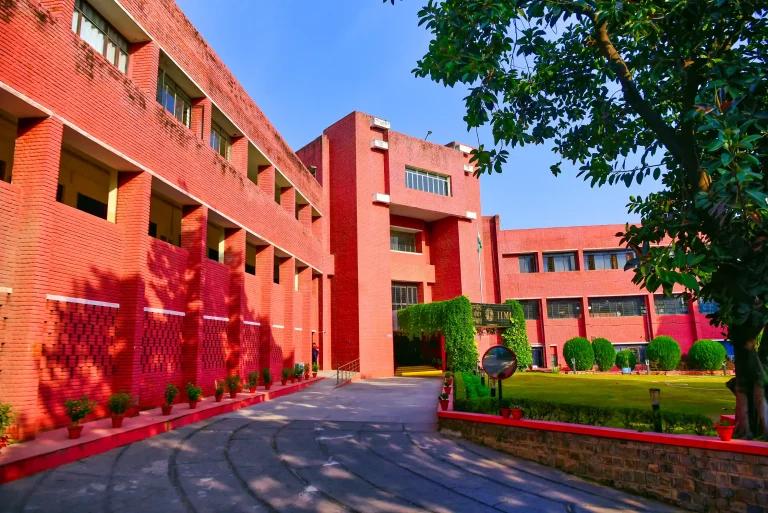
Widely regarded as one of India’s premier media institutions, IIMC is known for its strong focus on journalism, strategic communication, advertising, and public relations.The institute has produced many accomplished media professionals and offers students valuable industry exposure through workshops, projects, and internships.
👉 Gain practical media experience through projects and workshops at Inspiria.
Symbiosis Institute of Media and Communication
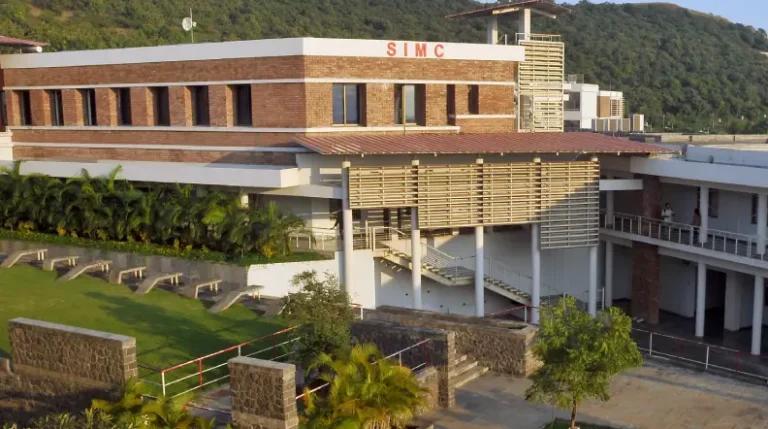
A popular choice among aspiring media professionals, Symbiosis emphasizes practical learning, industry collaborations, and contemporary media education. Students gain exposure to journalism, digital media, advertising, and public relations through a curriculum designed to meet current industry demands.
Delhi University
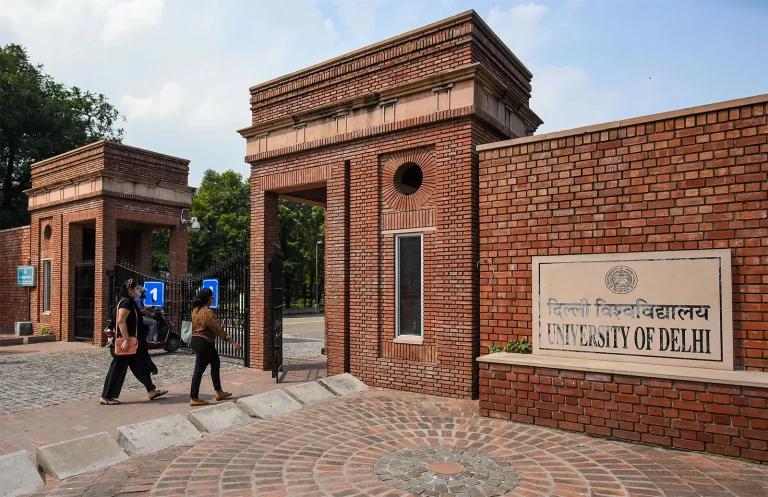
Delhi University offers media and journalism-related programmes through its affiliated colleges and departments. Its academic environment, experienced faculty, and proximity to India's media and political landscape provide students with unique learning and networking opportunities.
Christ University
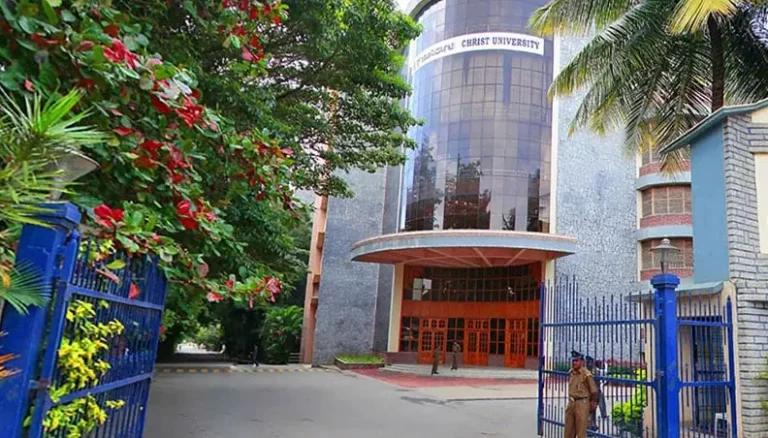
Christ University offers well-structured programmes in journalism and media studies that balance theoretical knowledge with practical training. The university encourages students to participate in media projects, campus publications, research activities, and industry interactions, helping them develop both technical and communication skills.
Inspiria Knowledge Campus
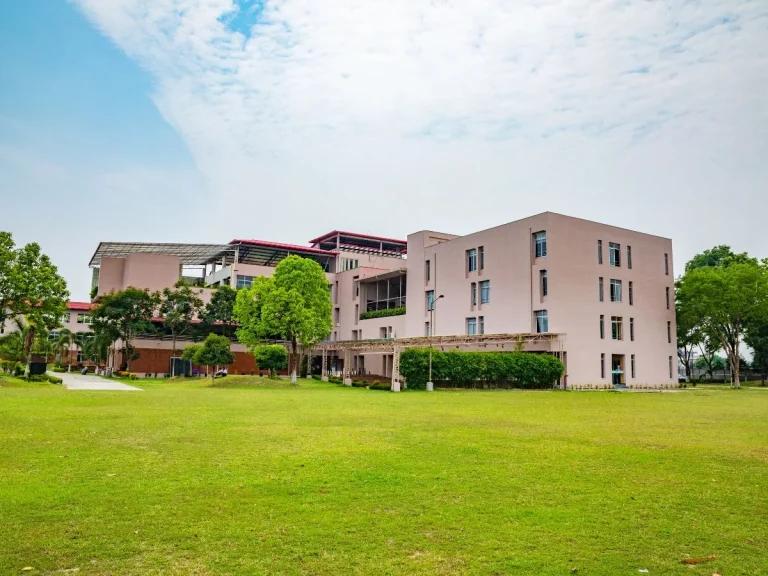
Inspiria Knowledge Campus has emerged as a promising destination for students seeking industry-focused education in media and communication. Its journalism and media-related programmes are designed to prepare students for the rapidly evolving digital media landscape through a blend of classroom learning and practical application.
👉 Take the first step toward a journalism career with Inspiria's B.Sc in Media Science.
Conclusion
Journalism is more than a profession, it’s an opportunity to inform, inspire, and make a meaningful impact through storytelling.
If you have a curious mind, a passion for communication, and a desire to uncover and share important stories, a career in journalism can be both exciting and rewarding.
With the right course, practical experience, and a commitment to continuos learning, you can turn your passion for media into a successful and fulfilling career.